01
The rules
Canadian Highlander (Canlander for short) is a two-player constructed format. You build a deck from nearly any Magic card ever printed, and you play it against one opponent, starting at 20 life, with normal Magic rules.
- Deck size
- At least 100 cards. There's no maximum, but almost everyone plays exactly 100.
- Copies
- One of each card. Basic lands, and cards that explicitly allow any number (like Relentless Rats), are the exceptions.
- Sideboard
- None. Your hundred cards play every game.
- Points
- Each deck gets 10 points to spend on cards from the points list.
- Banned
- The Vintage banned list, plus a handful of extra categories: ante cards, Conspiracies, cards with stickers or attractions, dexterity cards, Acorn and silver-bordered cards, sub-game cards, and cards Wizards has removed for racist depictions.
- Restricted
- Everything is one-of already, so restricted cards play like any other card.
The Canlander Council maintains the official rules at canadianhighlander.ca. If anything here disagrees with theirs, theirs wins.
02
How points work
Instead of banning the strongest cards, Canlander gives 46 of them a point value, from 1 up to Ancestral Recall at 8. Every other card is worth zero.
Each deck gets ten points. Spend them on one big card, a bunch of small ones, or nothing at all. Plenty of good decks play zero points.
 8
 7
 5
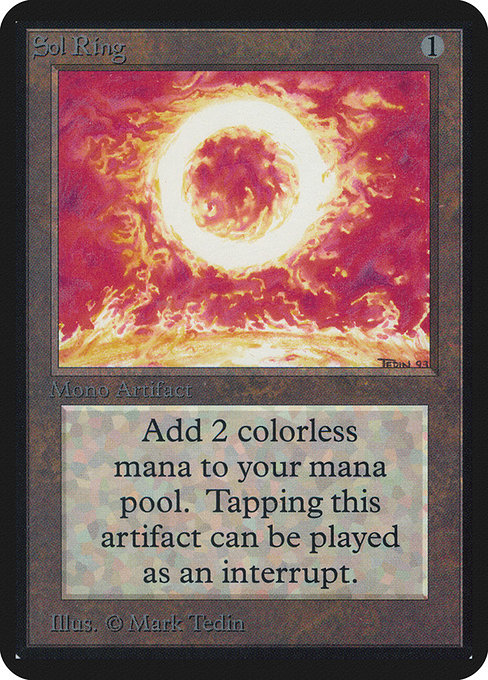 3
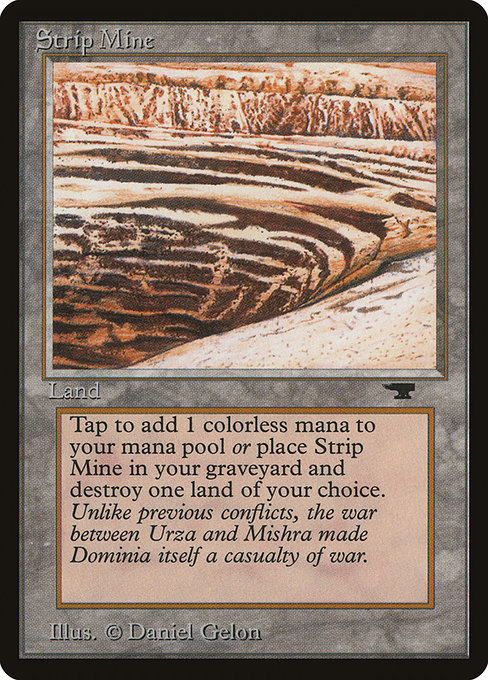 1
 0
The costs are based on how strong a card is in this format, not how famous it is. That's why Ancestral Recall costs more than Black Lotus and Timetwister costs nothing. The list also changes a few times a year as decks rise and fall.
03
Playing a game
Games are one-on-one at 20 life with the normal Magic rules, mulligans included. If you've played any constructed format, you already know how to play.
The big difference is variety. You only see a small part of a 100-card deck each game, so games go in more directions than they do in 60-card formats, and you'll run into cards you haven't seen in years.
Match structure depends on the event, so check its rules. Your main deck plays every game, so build it ready for anything.
04
Building a deck
The easiest way to start is with someone else's list. Pick one from the decks page or a recent event result, play it for a week, then start changing it. When you're ready to build from scratch, the build guide covers spending points, choosing a plan, land counts and filling a hundred slots.
The short version: decide what your ten points are for, play 32 to 36 lands, pack at least fourteen cheap interaction spells, and pick cards that are good against every deck, since your main deck plays every game.
05
Getting cards
Your deck can be great without a Black Lotus. Every deck has the same ten points, so most of a deck's strength comes from its 90-odd free cards, and a lot of those are cheap.
- Start online. Cockatrice is free and has every card, so you can test a deck before buying anything.
- Use proxies. The Discord webcam events are proxy friendly, and so are a lot of local groups. For paper events, check the store's proxy policy.
- Raid your Commander binder. A lot of Commander staples are Canlander staples too. Just remember that some (Sol Ring, for one) cost points here.
06
Glossary
- Canlander
- Short for Canadian Highlander. You'll also see CanLander and CHL.
- Highlander
- Any singleton format, after the film tagline "there can be only one."
- Points list
- The official list of cards that cost points to include.
- Pointed card
- A card on the points list. "Is that pointed?" means "does it cost points?"
- Zero-pointer
- A deck that spends no points. Usually aggressive or midrange, and very much viable.
- The Council
- The volunteer group that maintains the points list and rules.
- Power Nine
- Black Lotus, the five Moxen, Ancestral Recall, Time Walk, and Timetwister. All legal here; most of them pointed.
- Weekly
- A recurring event, usually online over Cockatrice or webcam.
- 7-Point Highlander
- Also called Australian Highlander. A different, 60-card format with its own list.
07
Questions
Is Canlander an official Wizards of the Coast format?
It's a fan-run format with its own council and points list. Wizards has written about it and hosted events for it.
Can I turn my Commander deck into a Canlander deck?
It's usually easier to start fresh. Canlander is a one-on-one duel at twenty life, so low curves and cheap interaction shine. Start from a Canlander list and swap in your favourite cards from your Commander decks. And check the points list, because Sol Ring, Mana Crypt and the tutors add up fast.
How often does the points list change?
A few times a year, on a roughly quarterly schedule. The council announces changes the day before they take effect and explains its reasoning in an article. Summaries land in News.
Can a budget deck win?
Absolutely. Results archives are full of strong zero-point and low-point decks, and the ten-point cap keeps everyone on even footing.
Where do I find people to play with?
The Canadian Highlander Discord runs weekly online events and is the fastest way to find a game. See Play for the schedule and clients.